
There’s a question that doesn’t get asked enough in radio boardrooms, programming meetings, or one-on-ones between managers and their staff: Do you actually know what your employees want from you — and from your company?
It’s easy to assume the answer. It’s tempting to believe that a paycheck, a decent schedule, and a little praise now and then covers it. But the data tells a more complicated story.
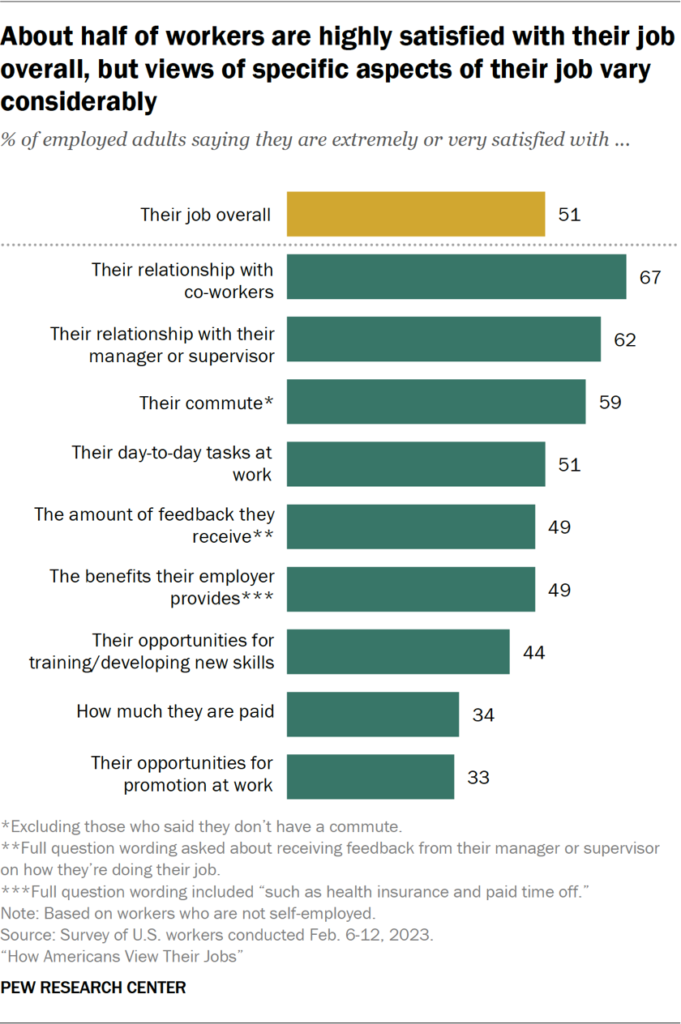
Pew Research found that 49% of U.S. workers are satisfied with the amount of feedback they receive and the benefits their employer provides. That same study found that 44% are satisfied with the opportunities for training and developing new skills. Stop and sit with those numbers for a second.
Less than half. That’s it.
Yes, employees want to be paid more. They want clearer paths to promotion. Nobody’s arguing against that. Those things matter. But if you’re waiting for the budget to open up before you invest in your people, you’re already losing ground.
What are you doing right now — today — to make sure your employees feel heard? What’s your plan for ensuring they’re growing, learning, and getting better at their craft? If you don’t have a clear answer, that’s a problem worth addressing.
Feedback isn’t a quarterly event. It can’t be something that only happens when there’s an issue to correct or a contract to renew. The best managers in this business treat feedback like oxygen — constant, necessary, and life-giving.
Their people know where they stand. They know what’s working. They also know what needs work, and they don’t have to guess.
That kind of clarity builds trust. Trust builds loyalty. Loyalty builds teams that don’t fall apart the moment a competitor comes calling with a slightly better offer.
Think about the people on your staff who are genuinely excellent at what they do.
The ones who came in driven, stayed curious, and keep raising the bar. Do you honestly believe they got there by accident? Their talent didn’t just appear. It was developed — refined over years of intentional work, hard conversations, mentorship, and a desire to keep getting better.
Here’s the thing: they don’t want that growth to stop. The best radio employees aren’t looking to coast. They’re looking for an environment where they can evolve — where someone believes in their potential enough to invest in it.
That’s not an unrealistic ask. It’s actually a reasonable one.
So what’s stopping more leaders from delivering on it?
Some of it is time. Running a radio brand — or multiple brands — is genuinely demanding. It’s easy for development conversations to fall off the calendar when there’s a ratings book dropping or a morning show situation to manage. But “busy” can’t be the permanent excuse.
Some of it is also comfort. It’s easier to keep doing what you’ve always done than to build a culture that prioritizes growth and honest dialogue. Easier, yes. Better? Not even close.
Your top performers are watching how you treat the people around them. They’re paying attention to whether learning and development are genuine priorities or just talking points in a company all-hands. They notice when feedback is nonexistent — or only shows up as criticism.
Put an emphasis on this. Build regular feedback into your rhythm. Create real opportunities for your people to learn new skills, try new things, and grow beyond their current roles. Treat development as a core function of leadership — not a bonus feature.
It’s not just the right thing to do for your employees. It’s smart business. Better people produce better content. Better content builds better brands. And better brands grow better audiences.
The investment is real. So is the return. Your people want to grow. The question is whether you’re going to be the leader — and the company — that helps them do it.
Barrett Media produces daily content on the music, news, and sports media industries. Sign up for our newsletters to stay updated and get the latest information right in your inbox.

