
Deadlines in college have a way of piling up all at once. One paper needs a final polish, another paragraph sounds too robotic, and somehow, you are also stuck on a homework question at midnight. That is exactly why having an AI tools list matters.
I tested five tools that cover the three things students most need under pressure: AI detection, humanization, and homework help. These are honest impressions based on how each one felt during real use.
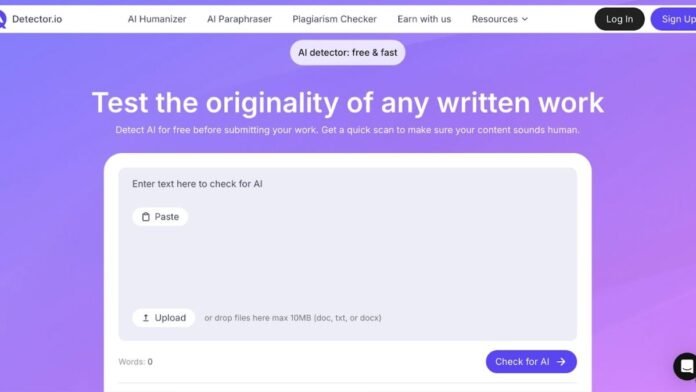
Among free AI tools online, Detector.io feels built for students who want a quick AI check before they submit a paper. The setup is simple, which helps when you are already stressed and do not want to learn a new platform. I tested it on a research paper draft of about 1,000 words after using AI to help structure two sections. The goal was simple: see whether it could spot mixed content in a fair way without treating the whole draft like it came from a bot.
The first thing I noticed was the scoring interface. It is clean, readable, and easy to understand on the first try. You are not buried under charts or labels that need explanation.
The result felt reasonably accurate. It flagged the AI-shaped sections more than the rest. The scan also came back fast, so it did not interrupt the workflow.
My takeaway was clear: Detector.io works well as a pre-submission check. It is straightforward, practical, and does not waste your time.
Humaniser.ai
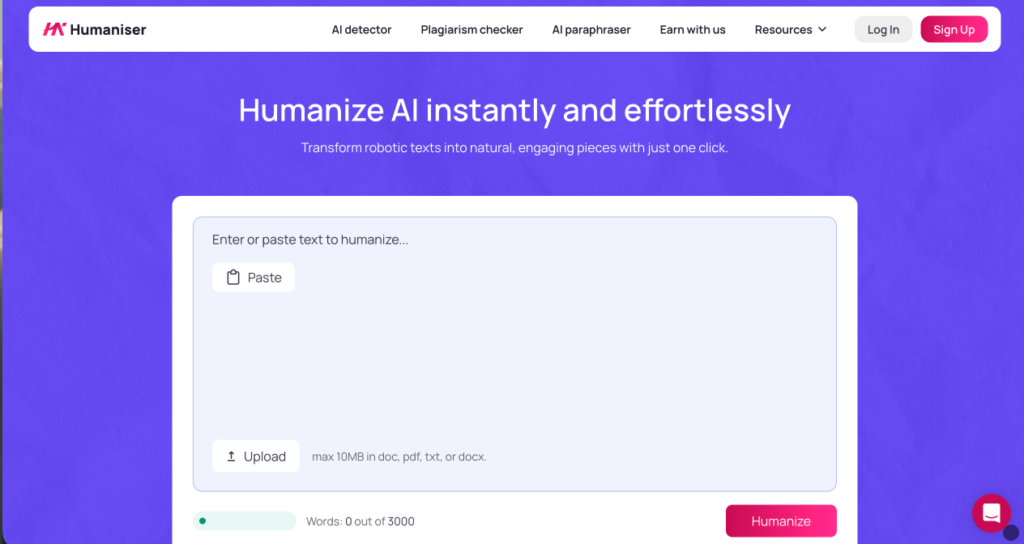
If you have ever leaned too hard on AI and then reread your paragraph with a sinking feeling, the purpose of Humaniser.ai makes sense right away. It earns a place among the best free AI tools because it focuses on one specific problem: making AI-assisted writing sound more natural.
I tested it with a paragraph first drafted in ChatGPT, then ran the text through the tool to see whether the result actually sounded like something a real student might write.
What changed most was the tone. The rewritten version felt less stiff and less polished in that suspicious, overly balanced way AI often sounds. Sentence structure also shifted enough to feel more human. It was not just swapping a few words around. The tool actually reshaped the rhythm of the paragraph.
More importantly, it mostly kept the meaning intact. That was a relief, because some humanizers turn your original point into something fuzzy or awkward. It also handled academic language fairly well.
Humaniser.ai helps most when your draft sounds too AI-clean and needs editing support. Still, it works better as a refinement step than a magic button.
AIHomeworkHelper.com

A lot of tools claim to help students, but some only spit out answers with little value beyond that moment. AIHomeworkHelper.com felt more useful because it actually tries to explain. That is why I would include it in any list of top AI tools for college crunch periods. I tested it with two very different tasks: a chemistry problem set that needed process-based thinking and a short-answer history question that needed context.
The chemistry response was the stronger of the two. It walked through the logic in a way that made the steps easier to follow, which matters when you are tired and your brain has stopped cooperating. The history answer was also decent, though more general. It still gave enough explanation to point me in the right direction rather than leaving me with a copied block of text.
This tool is genuinely helpful when you are stuck and need a concept explained at 1 a.m. It is less useful for students who want a shortcut without doing any thinking of their own.
GPTVerify.com

GPTVerify.com is another detector, but its pitch feels more focused on reliability than speed alone. That is why it fits well in a free AI tools list for students who want a stronger sense of what their score actually means.
I tested it using three texts: one fully human-written piece, one fully AI-generated sample, and one AI draft that had been lightly edited by hand. On the fully human text, the result was reassuring. It did not throw out a dramatic score that would make a student panic. False positives were low enough that the result felt credible. On the fully AI sample, it performed as expected and flagged the text strongly. That part was clear-cut.
The edited AI sample was the most interesting. The score landed in a less absolute zone, which actually made sense. That kind of result feels more honest than a detector pretending every case is black-and-white.
DetectMy.ai
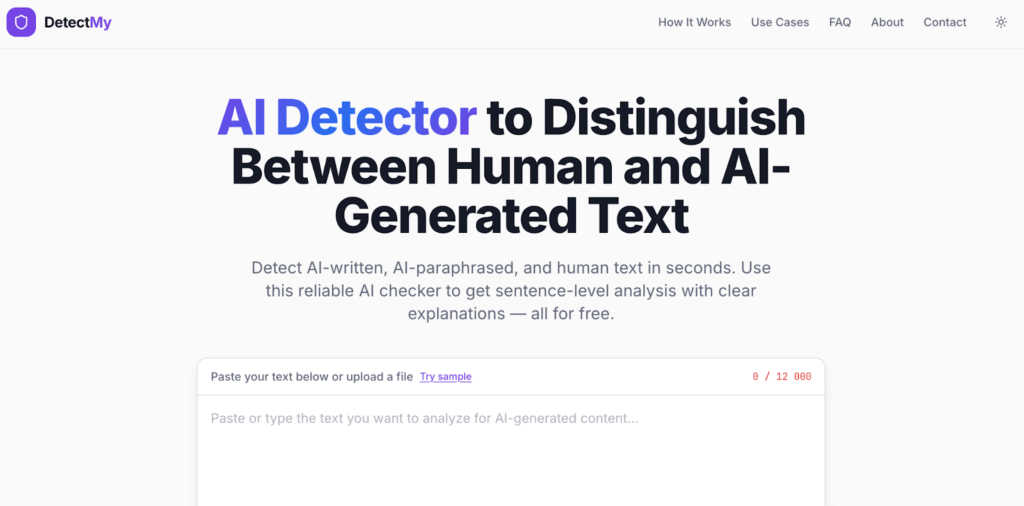
DetectMy.ai covers similar ground, but the experience feels a little different from the moment you open it. I would place it among the best AI tools for students who want a second opinion without adding much extra effort. I tested it on the same three samples used in GPTVerify.com, so I could compare consistency across identical inputs rather than relying on vague impressions.
The tool showed which sample was human, which was clearly AI, and which one sat in a more uncertain range. The interface is also friendly to non-technical users. You do not need to know anything about AI models or detection methods to use it.
A nice advantage is speed. Running a second checker can feel annoying in theory, but this one is quick enough that it does not become a burden.
Overall, DetectMy.ai is a strong backup detector, and using it with another checker gives a more grounded picture.
The Bottom Line: AI Study Tools for Surviving Deadlines
When deadlines start stacking up, these five tools can make your workload feel more manageable.
Here is the quick summary:
- Detector.io – best for a fast pre-submission AI check
- Humaniser.ai – best for cleaning up over-assisted writing
- AIHomeworkHelper.com – best for concept explanations when you’re stuck
- GPTVerify.com – best for reliable detection with clear scoring
- DetectMy.ai – best as a second-opinion checker
The smartest move is to pick two or three of these popular AI tools that fit your workflow and try them on low-stakes assignments first. That way, when the next real deadline hits, you already know what helps and what does not.

