
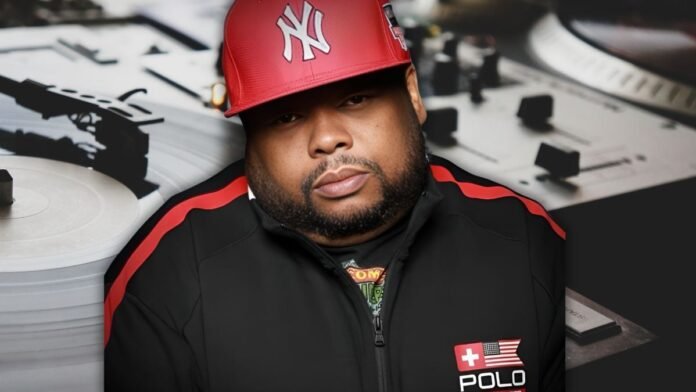
The hip-hop community and satellite radio industry lost a familiar voice as longtime SiriusXM personality and rapper Lord Sear died at age 52, according to a statement released by SiriusXM on Thursday.
Once news became public, a tribute posted to Sear’s Instagram page highlighting the deep connection he built with listeners, colleagues and artists during a career that stretched from the underground hip-hop scene of the 1990s to two decades behind the microphone on satellite radio.
“It is with heavy hearts that we share the passing of Lord Sear. He was more than a voice on the radio — he was a force, a friend, and family to so many of us,” the post read. “Lord Sear’s legacy in hip hop runs deep.”
No cause of death or additional details about the circumstances surrounding his passing were made public.
Sear built a reputation as both an artist and broadcaster long before satellite radio expanded the reach of hip-hop programming nationwide. He first gained attention during the early 1990s through his involvement with the New York-based group Kurious, which developed a loyal following during the era when independent rap artists relied heavily on college radio and word-of-mouth exposure to reach audiences.
Around the same time, he became a recognizable presence on the influential underground program The Stretch Armstrong and Bobbito Show, a broadcast widely credited with helping launch or amplify the careers of numerous artists during hip-hop’s golden era.
The Harlem native started as a tour DJ and has traveled the world with Eminem. He has done skits for Big Pun, the X-Ecutioners, and the Beastie Boys, and was a voice on Grand Theft Auto 3 and The Slim Shady Show DVD.
Most recently, Sear was featured in the Netflix documentary Stretch and Bobbito: Radio That Changed Lives.
However, Sear’s longest-running and most visible platform arrived in 2004 when Eminem helped launch Shade 45 on SiriusXM. Over the next two decades, Sear became one of the station’s most recognizable personalities, hosting shows, interviewing artists and maintaining a presence that resonated with both longtime hip-hop fans and newer listeners discovering the genre through satellite radio.
Throughout that run, colleagues frequently pointed to his deep knowledge of hip-hop culture, his ability to connect with artists across generations and his authenticity as key reasons he remained a trusted voice on the channel.
Barrett Media produces daily content on the music, news, and sports media industries. Sign up for our newsletters to stay updated and get the latest information right in your inbox.

