

Evenings often determine how the next day will feel. Many people attempt to recover energy by simply collapsing into bed after a demanding schedule, yet true recovery begins earlier. The hours before sleep influence mental clarity, emotional balance, and physical readiness for the following morning. Small habits performed consistently in the evening can gradually rebuild focus and reduce the sense of constant fatigue that many adults experience. A thoughtful evening routine does not require dramatic lifestyle changes. Instead, it relies on simple rituals that signal the mind and body that the day is coming to a close. When repeated regularly, these actions help release accumulated tension and create a predictable transition from activity to rest.
Create a Clear Mental Finish to the Day
Many people lie down at night while their mind continues reviewing unfinished tasks. Emails that still need replies, small errands, or conversations that require follow-up often return the moment the environment becomes quiet. This mental activity makes it harder to relax, even when the body feels tired. A short writing ritual can help clear that mental backlog before bedtime. Spend about five minutes listing everything that still needs attention. Use precise phrases such as “send the invoice” or “outline tomorrow’s presentation” instead of vague reminders. Writing tasks down removes the need to keep them mentally repeated.
Once the list is complete, choose three priorities for the next day and write the first step required for each one. This small decision makes mornings noticeably easier. Instead of scanning a long list of obligations, you already know where to begin. The brain tends to relax when it sees that tomorrow’s tasks have a clear starting point. Over time, this habit reduces the tendency to replay unfinished work late at night. A simple notebook can become a practical tool that separates planning time from personal time.
Reset Your Body With Warm Water
A short shower or bath in the evening can help the body release the physical tension that builds throughout the day. Hours spent sitting, walking, commuting, or concentrating often leave muscles slightly tight even when the fatigue is not obvious. Warm water helps loosen that stiffness and encourages the body to slow its breathing and movement. The effect is simple but noticeable. Ten to fifteen minutes under warm water is usually enough to relax the shoulders, back, and neck. During this time, it is best to leave phones outside the restroom and treat the moment as a brief pause from daily input.
The timing of this habit also matters. Taking a warm shower about an hour before sleep allows the body temperature to drop gradually afterward. This cooling period naturally supports the process that prepares the body for sleep. After the shower, keep the environment calm and avoid returning to demanding tasks. Many people find that this small routine helps them feel physically lighter before bed. Instead of lying down while the body still carries the stiffness of the day, muscles feel relaxed and ready for rest.
Choose Gentle Leisure With Clear Limits
Evenings should still include moments of enjoyment. Recovery becomes more effective when relaxation feels pleasant rather than restrictive. Short entertainment activities often work well because they allow the mind to move away from responsibilities while maintaining a comfortable level of engagement. Watching a familiar series, reading several pages of a book, or listening to a calm podcast are common choices that help the mind slow down gradually. Some people also spend a few minutes exploring simple online games as a light form of evening entertainment.
Entertainment works best in the evening when it stays short and predictable. Without a clear limit, it is easy to keep watching another episode or scrolling through new content much longer than planned. That is why many people choose activities that naturally end after a few minutes. For example, someone might watch a single episode of a favorite show, listen to a twenty-minute podcast, or spend a few minutes playing a simple online game, such as trying a Flagman casino no deposit bonus available at https://casinosanalyzer.com/casino-bonuses/flagman.casino. Choosing one activity instead of switching between several also helps the mind slow down. When people move constantly between videos, messages, and social feeds, attention stays active and the evening feels less restful. Sticking with one small activity allows the brain to settle and enjoy the break.
Reduce Stimulation From Screens and Bright Light
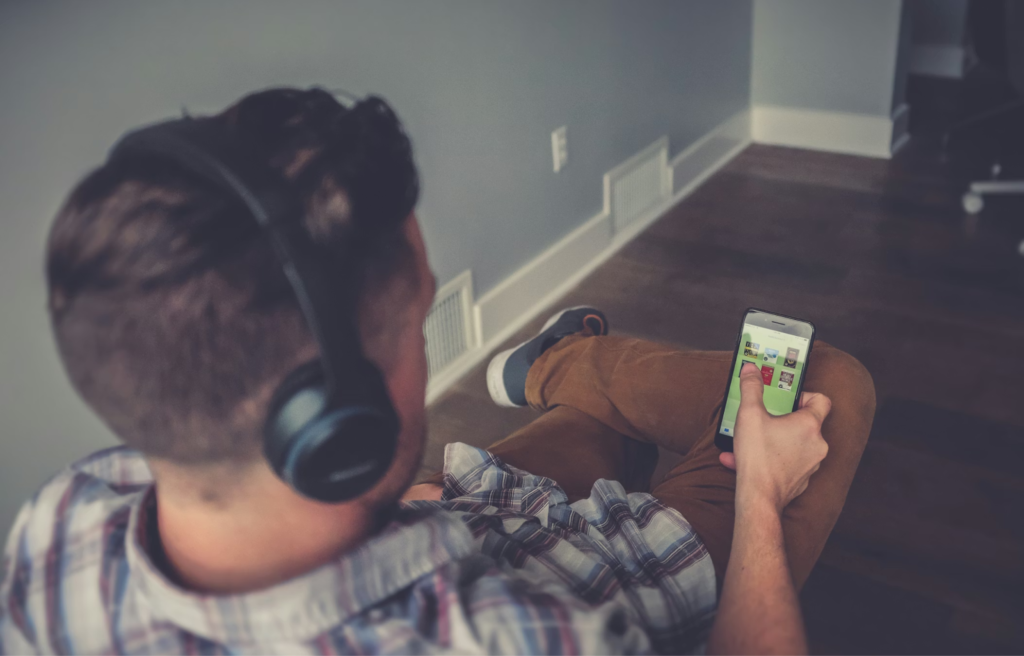
Digital devices are part of most evenings, and they can quietly keep the mind active longer than expected. Phones, laptops, and tablets continue delivering messages, updates, and new content even after work has ended. It is easy to keep checking them without noticing how much attention they demand. Setting a simple boundary around technology can make evenings feel calmer. Many people start by choosing a time when work communication stops for the day. Even a small rule, such as no email after a certain hour, can remove a surprising amount of background tension.
Lighting also affects how the body prepares for sleep. Bright overhead lights keep the brain alert, while softer and warmer light allows the body to slow down. About an hour before bedtime, dim the lights in the main living space and lower the brightness of screens. This gradual shift makes the environment feel quieter and less stimulating. Over time, the brain begins to recognize this softer light as a signal that it is time to rest.
Build a Personal Rhythm That Signals Rest
Recharge rarely comes from a single habit. It usually happens when several small actions repeat in the same order each evening. Over time, the body will begin to recognize this pattern. A short planning note, a warm shower, softer lighting, and a few minutes of quiet entertainment can work together as a simple wind-down routine. When these steps happen around the same time every night, falling asleep often becomes easier. Consistency matters more than perfection. Skipping one step occasionally will not break the routine, but repeating the same sequence most evenings helps the body expect rest at the end of the day. Many sleep specialists note that predictable evening habits support better sleep because the brain learns to associate them with bedtime. For example, guidance from the Sleep Foundation highlights the value of regular pre-sleep routines and a calm environment before going to bed.
An evening routine can also change how the entire day feels. Instead of moving straight from work into exhaustion, the evening becomes a short period of recovery. Writing down tomorrow’s tasks, relaxing under warm water, and slowing down with a calm activity create a natural pause before sleep. When this rhythm repeats day after day, mornings often begin with clearer thinking and steadier energy.

